







Search Results for: grinder bean jamming

Complete Answers to Coffee Grinder Bean Jam and Washed Coffee Questions: Burr Disassembly Steps and Ek43 Cleaning and Maintenance Practical Guide
Once a grinder lacks regular maintenance, even the highest-end model will age faster. This article focuses on several practical problems most commonly encountered by coffee enthusiasts: how to safely handle a jammed grinder, whether a grinder can be rinsed directly with water, the correct way to remove the burrs, and, using the Ek43 as an example, the deep cleaning and daily maintenance process. The article also combines Front Street Coffee's equipment experience to offer actionable maintenance suggestions that help you extend your grinder's lifespan and keep output consistent. [more…]

Troubleshooting Italian-style coffee grinder jamming and no-discharge issues, plus an analysis of the core logic of espresso grind adjustment.
Espresso grinder jamming and failing to dispense grounds is one of the faults baristas encounter regularly in daily operations, and it is especially disconcerting during the morning shift. At the same time, dialing in espresso is itself a complex task affected by multiple factors such as bean condition, weather changes, and equipment status, and even experienced veterans may not always handle it smoothly every time. This article will systematically sort out the common causes of grinder jamming and troubleshooting approaches, and provide an in-depth analysis of the underlying logic of espresso dialing in, helping coffee enthusiasts quickly identify and effectively solve similar problems when they arise. The article also combines the practical experience of Front Street Coffee to offer specific operational suggestions and product references. [more…]
Key Points for Using a Coffee Grinder | Do You Need to Clean the Grinder Before Grinding Coffee Beans? What Should You Watch Out for When Using a Coffee Bean Grinder?
Many friends who originally used hand grinders have purchased an electric coffee grinder to grind coffee beans, with the aim of freeing their hands and no longer needing to go through the tedious grinding process. However, electric grinders are different from hand grinders, and there are many details to pay attention to when using them. If you are not careful, it is easy to shorten the life of the grinder and affect the grinding quality. [more…]
Four Key Details in Using an Electric Grinder: Why It Idles Without Grinding Beans and the Right Way to Clean the Burrs
The coffee grinder is an indispensable piece of equipment in coffee preparation, yet many users are not well enough informed about its daily maintenance and operational details. At Front Street, we frequently encounter customers asking about various grinder issues at our stores, especially the common malfunction of "running idle without grinding beans" and the easily confused concept of "cleaning the grinder." This article systematically outlines four key points worth noting when using an electric grinder: two completely different "grinder cleaning" operations, the correct sequence of starting the machine before adding beans, the necessity of regularly checking the grind size, and the solution to idle running caused by fine powder clogging. Whether you are an espresso enthusiast or a pour-over player, these practical tips can help you extend the lifespan of your grinder while ensuring the stable and clean flavor of every cup of coffee. [more…]
Complete Guide to Cleaning and Maintaining Manual and Electric Coffee Grinders: Brush Cleaning and Deep Maintenance Essentials
Coffee grinding equipment is mainly divided into two categories: manual and electric. Different brands and price points not only affect appearance and grinding performance, but also determine differences in burr structure and particle size distribution. Regardless of which grinder you use, daily cleaning and regular maintenance of the burrs are key to extending the life of the equipment. The static electricity generated during grinding causes fine particles to stick to the metal burrs and the grounds bin. The more frequently it is used, the more residual grounds accumulate, and the oil released by dark-roasted beans worsens the buildup of oily residue. If not cleaned for a long time, old grounds not only produce a rancid oil smell, but also taint new grounds and clog the grinding path. This article will introduce grinder maintenance methods and precautions in detail across three levels: daily quick cleaning, cleaning without disassembly, and regular deep cleaning. [more…]
Daily Maintenance, Deep Cleaning, and Burr Calibration Guide for Manual Coffee Grinders
When brewing pour-over coffee at home, have you ever tasted the flavor of one bean in a cup of another? This is very likely the work of fine powder residue left inside the grinder. If a grinder is not cleaned for a long time, electrostatic fine powder and dark roast bean oils attached to the metal burrs will accumulate more and more, which not only affects the extraction flavor, but may also clog the passage and shorten the life of the equipment. This article, compiled by Front Street Coffee, systematically explains the maintenance and calibration methods for manual and electric coffee grinders, from simple daily cleaning, no-disassembly cleaning with cleaning tablets, to disassembly deep cleaning and burr wear inspection, helping you determine when a simple cleanup is enough and when deep maintenance is needed, so that every cup of coffee maintains a clean and accurate flavor performance. [more…]
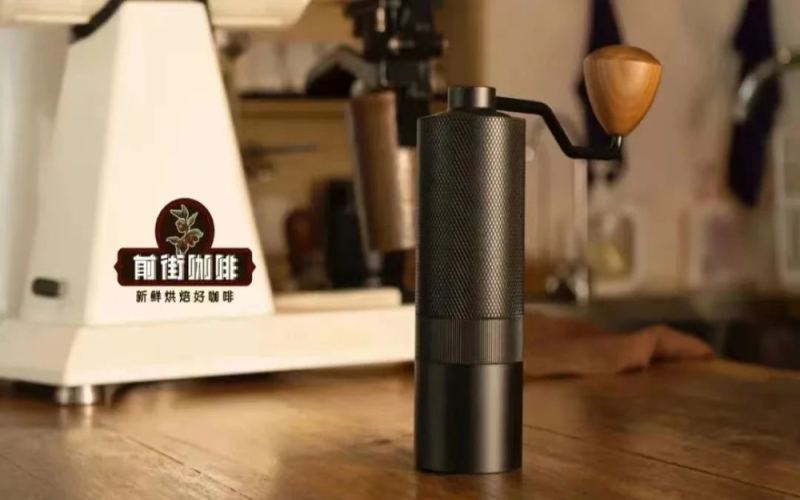
Hand Grinder User Guide: Burr Structure, Adjustment Settings, and Key Points for Controlling Grind Size
The manual coffee grinder is an essential tool for many pour-over enthusiasts. Beyond price differences, different brands and models directly influence the grinding quality of coffee grounds. It is suitable for home use and can also be combined with French presses, AeroPresses, moka pots, and other devices to create a portable coffee solution for outdoor or travel use. This article, from the perspective of Front Street, systematically explains the burr structure, dial adjustment, handle drive, bean hopper, and grounds container functions of manual coffee grinders, and shares proper grinding operations, grind size selection for different brewing methods, as well as daily cleaning and regular maintenance tips to help you improve grind uniformity and coffee flavor. [more…]
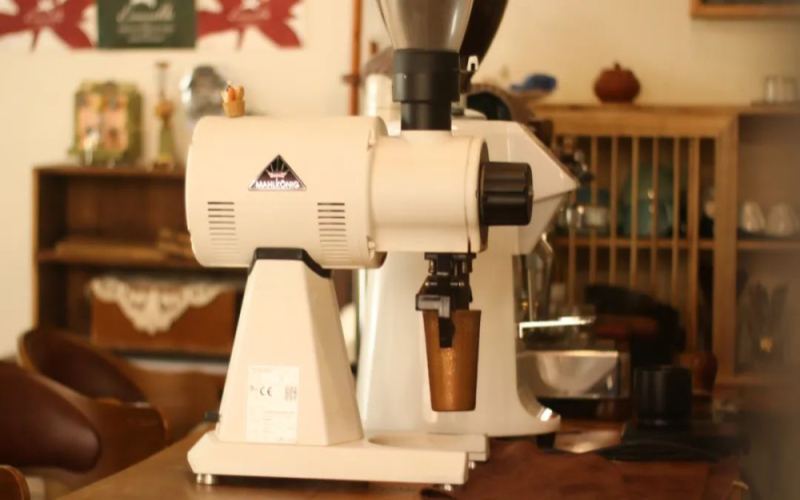
Manual or Electric? Key Points for Choosing a Coffee Grinder and a Full Guide to Using and Maintaining an Electric Grinder
Faced with the dazzling array of coffee grinders on the market, many coffee lovers struggle with the same question: should I choose a manual or an electric one? For long-term, stable grinding performance, many people lean toward going straight for an electric grinder—it saves effort and reduces the trouble of fines. But electric grinders actually have quite a few finer points when it comes to use and maintenance. For example, an incorrect operating sequence can accelerate burr wear, and inadequate cleaning can shorten the machine's lifespan. This article will address key questions such as the correct way to use an electric grinder, why you should start it before adding beans, and the specific methods for daily and periodic cleaning, helping beginners use and care for their grinder more scientifically so that every cup of coffee is consistently delicious. [more…]

Can a Coffee Grinder Be Washed with Water? A Detailed Guide to Daily Maintenance for Manual and Electric Grinders
Last week, Front Street Coffee shared nine details about brewing coffee, among which it mentioned that the grinder needs to be cleaned regularly. So a reader followed up with the question: Can a grinder actually be washed with water? To answer this question, we first need to understand the necessity of cleaning the grinder. The common grinding equipment on the market falls into two categories: manual and electric. Regardless of which type, the daily upkeep and regular maintenance of the burrs directly affect the service life. Accumulated coffee grounds not only cause flavor cross-contamination, but may also clog the passage. This article will detail the cleaning methods for manual and electric coffee grinders across three levels: daily quick cleaning, cleaning without disassembly, and regular deep cleaning, and will also remind you of the applicable conditions and precautions for washing with water. [more…]
Analysis of the Advantages of Electric Grinders Over Hand Grinders, and the Details to Pay Attention to When Grinding for Single-Origin Pour-Over Coffee
In the daily preparation of pour-over single-origin coffee, electric grinders are being chosen by more and more enthusiasts. Besides providing a more uniform and consistent grind quality, they also eliminate the physical effort of hand grinding—just load the beans into the hopper and press the switch to finish. However, there are many details to pay attention to when using an electric grinder, otherwise the machine will wear out much faster than expected. For example, the seemingly simple question of when to add beans involves the key principle of burr protection. In addition, cleaning an electric grinder has two levels: daily and periodic, and only good maintenance can effectively extend its service life. This article addresses these practical points one by one to help you grind single-origin coffee beans with greater ease. [more…]
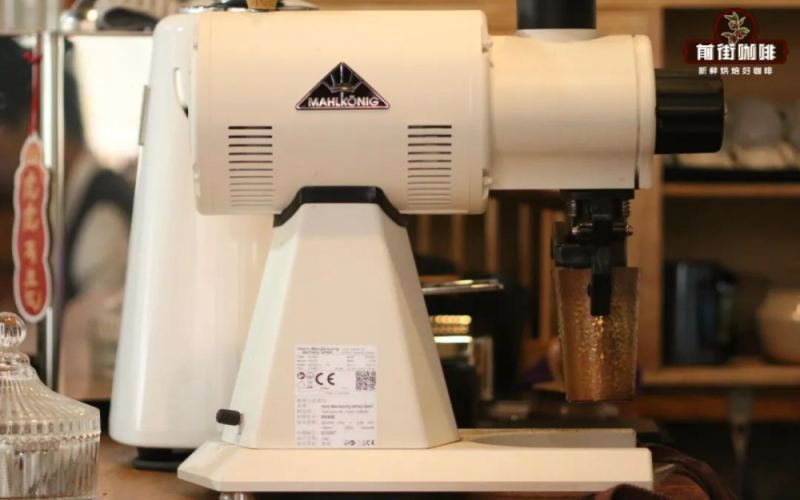
Proper Operation Guide for Electric Coffee Grinders: Practical Tips for Adjusting Dose and Grind Size, and Daily Maintenance Methods
With the growing popularity of home coffee equipment, more and more people are choosing to use a pour-over kettle paired with a small electric grinder to make freshly ground coffee at home. However, using an electric grinder is not simply a matter of plugging it in, turning it on, and dumping in beans—some improper operating habits not only affect the coffee's flavor but can also shorten the grinder's lifespan. Drawing on Front Street Coffee's practical experience, this article shares several key tips for using an electric burr grinder, including "rinsing the burrs" before grinding to avoid flavor transfer, starting the machine before adding beans to protect the burrs, and daily quick cleaning plus periodic deep cleaning as maintenance methods. Whether you are a complete beginner or someone who has been using an electric grinder for a while, these details can help you get the most out of your grinder and keep every cup of coffee tasting consistently good. [more…]
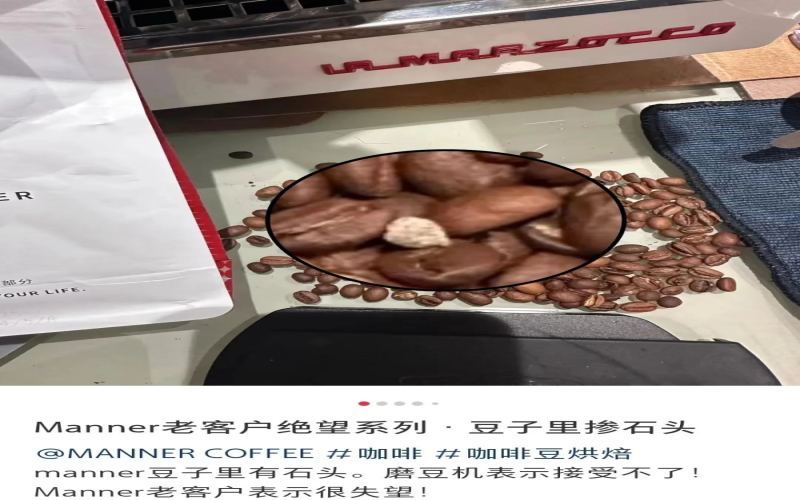
Manner Coffee Beans Found Contaminated with Small Stones Spark Debate: An Analysis of the Brand's Screening Process and Grinder Safety Hazards
Recently, a consumer reported on social media that a small stone was unexpectedly found in the Manner coffee beans they had purchased. Fortunately, they spotted it in time while pouring the beans, preventing it from entering the grinder and causing damage. Although Manner's customer service explained that coffee beans are an agricultural product and defects are inevitable during processing, and emphasized that professional equipment is used to screen out foreign objects during production, this response did not fully satisfy the customer. This incident has also drawn attention among coffee enthusiasts to grinder safety issues—small stones not only affect food safety but can also cause serious damage to the burrs. So, from green beans to roasted beans, how many rounds of screening does coffee actually go through? And how do brands like Front Street Coffee control quality? [more…]
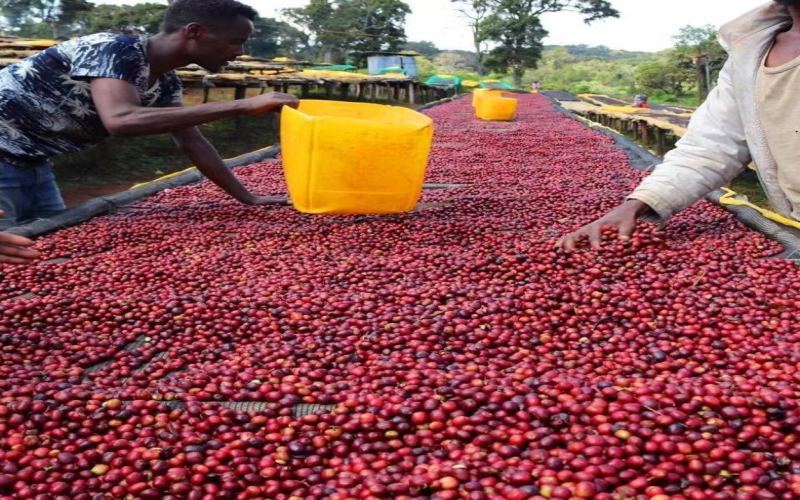
Coffee Beans Worth Trying for Hand Grinder Enthusiasts: How Different Roast Levels Change the Cup
The roast level changes the flavor focus and extraction rhythm of coffee beans. Light roasts usually retain more floral and fruity aromas and bright acidity, medium roasts tend to present sweetness and balance, while dark roasts lean toward nutty, cocoa, and full-bodied flavors. None is inherently better than another; the key is whether it matches your brewing method. Pour-over flavor is mainly determined by origin, variety, [more…]

Colombian pour-over coffee flavor characteristics and origin variety analysis, with brewing suggestions for four Front Street Coffee beans
Colombian coffee is known for its diverse styles, offering both consistent commercial flavors and the pleasant surprises of small-lot specialty beans. Since the volcanic eruption in the southern Huila Province in 2008, coffee from this region has frequently won awards in international competitions, gradually establishing its image as specialty coffee. Volcanic soil is rich in elements such as iron, calcium, magnesium, potassium, and phosphorus, providing ample nutrients for the plants and serving as an important foundation for the formation of delicate flavors. This article will systematically examine the characteristics of Colombian pour-over coffee from the perspectives of varieties, origins, processing methods, and brewing parameters, and introduce the four Colombian specialty beans currently sold by Front Street Coffee along with their flavor performance. Finally, it will provide the pour-over procedure for medium-roast Colombian coffee for coffee enthusiasts' reference. [more…]
Colombian Coffee Pour-Over Guide: Full Breakdown of Coffee-to-Water Ratio, Water Temperature, Grind Size, and Time
Colombian coffee is renowned for its fresh, fragrant fruit notes and diverse regional styles. Since the 2008 volcanic eruption in Huila Department, southern specialty regions have gradually come to the fore. Front Street Coffee currently sells four Colombian specialty beans, covering washed, anaerobic natural, and double anaerobic washed processing methods, all roasted to a medium level to balance body and mild acidity. This article will systematically explain the pour-over parameters for medium-roast Colombian coffee, including a 1:15 coffee-to-water ratio of 15g coffee to 225g water, a water temperature of 90-91°C, a medium grind the texture of granulated sugar, and the complete operating process of staged pouring and a total extraction time of 2 minutes, helping you brew a cup of Colombian pour-over coffee at home with full flavor and balanced sweetness and acidity. [more…]

Colombian Coffee Brewing Guide: Flavor Profiles and Pour-Over Techniques for Four Specialty Beans Including Sidra
Colombian coffee is renowned for its diverse styles, offering both fresh fruity notes and rich chocolate tones, much like the Champagne region in combining consistency with distinct character. Since the 2008 volcanic eruption in Huila, the southern specialty coffee regions have gradually come to prominence, with volcanic ash soil providing abundant nutrients for coffee plants and creating delicate floral and fruity flavors. Currently, Front Street Coffee offers four Colombian specialty beans: Washed Huila, Anaerobic Natural Flower Moon Night, Double Anaerobic Natural Sidra, and Double Anaerobic Washed Sakura, all roasted to a medium level to balance acidity and sweetness. This article will guide you through the regional characteristics of these beans and provide a complete medium-roast Colombian coffee pour-over procedure, explaining everything from grind size and water temperature to pouring rhythm, helping you brew a fragrant cup of excellent coffee at home. [more…]
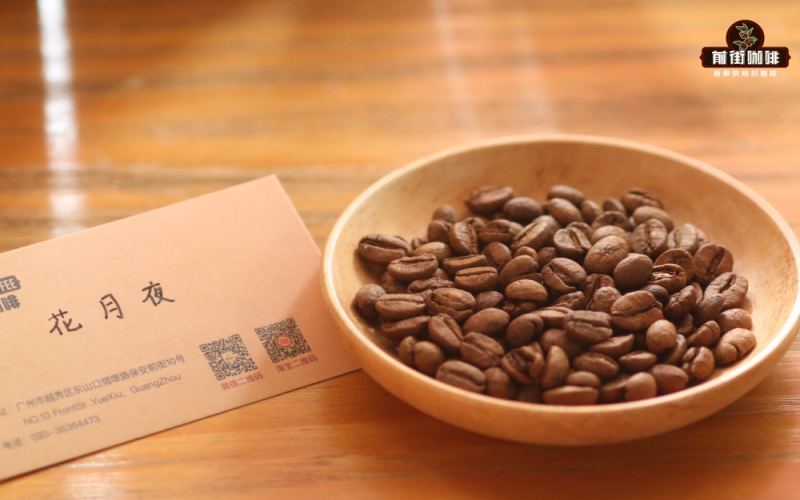
How is anaerobic natural different from regular natural? A complete comparison from processing workflow to brewing flavor
Coffee processing methods directly influence the flavor direction in the cup. Natural processing, as the most traditional method of green coffee processing, allows the fruit pulp to wrap around the seed and dry slowly, resulting in a broader flavor spectrum and greater sweetness; anaerobic natural processing, on this basis, introduces sealed low-temperature fermentation, which slows pectin decomposition and causes pH to drop more gradually, thereby accumulating more sweet compounds. This article will start from the specific processes of the two methods, analyze their effects on coffee flavor, and use Front Street Colombia Luna Night, which employs anaerobic natural processing, as an example to explain how to adjust grinding, water temperature, and pouring technique for such beans to brew a full fermented sweetness and a rounded mouthfeel. [more…]

The Origin and Evolution of Drip Bag Coffee: From Tea Bag Inspiration to a Detailed Guide to Front Street Coffee's Drip Bag Brewing Techniques
In the fast-paced life of the city, wanting to enjoy a healthy cup of pour-over-grade single-origin coffee at any time is no easy task. Although instant coffee is convenient, it often adds a burden to the body because of sugar and creamer. The invention of drip bags struck just the right balance between convenience and quality. This article will trace the origin story of drip bag coffee from the Japanese tea bag concept to commercial improvements, and take an in-depth look at Front Street Coffee's key steps in drip bag production, including grinder cleaning, grind size control, and nitrogen packaging. Finally, it will present practical drip bag pour-over brewing steps and parameters to help every coffee lover enjoy a cup of pure, authentic single-origin coffee anytime, anywhere. [more…]
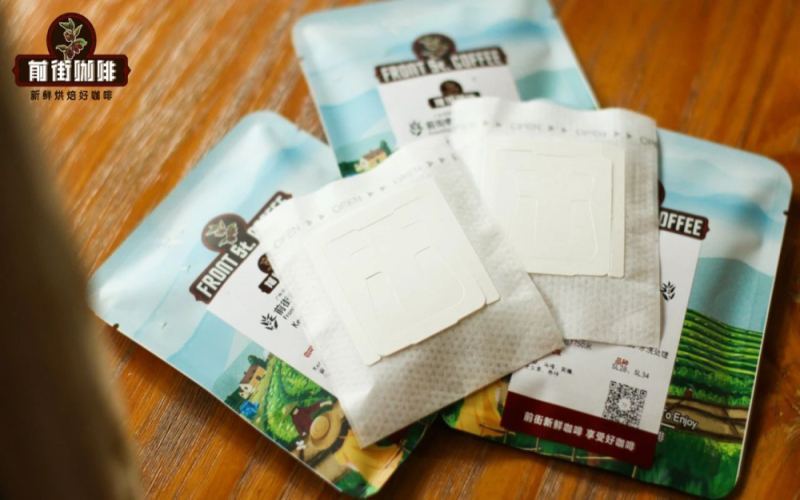
Can Drip Coffee Bags Be Reused for Multiple Brews? The Flavor Performance of a Second Brew and the Correct Way to Use Them
Drip bag coffee has become the daily first choice for many coffee lovers thanks to its convenience and specialty-grade flavor. But many people wonder: how many times can one drip bag actually be brewed? Does a second brew still have any flavor? Starting from the production process of Front Street Coffee's drip bags, this article provides a detailed analysis of how key steps such as grinding, grinder cleaning, and nitrogen packaging affect flavor, and introduces two seasonal products: the Front Street Brazil Pulped Natural Red Fruit Drip Bag and the Ethiopia Natural Sidamo Hambela Drip Bag. At the same time, the article also explains the correct brewing parameters and techniques for drip bag coffee, and answers the common question of "can it be brewed repeatedly," helping you easily enjoy a good cup of coffee at home. [more…]

How to Choose Drip Bag Coffee Flavors | How Many Times Can You Brew a Drip Bag? What Are the Advantages of Filter Coffee Bags? How Is Drip Coffee Different from Instant Coffee?
Many coffee enthusiasts enjoy drinking specialty pour-over coffee, but they feel that pour-over coffee requires a lot of equipment and操作既需要技巧又需要很多器具。Front Street has therefore launched a drip bag series. The Front Street drip coffee series offers flavors from multiple origins, such as Sidamo, Brazil, Honduras Shirley, and more. Of course, there are other types [more…]